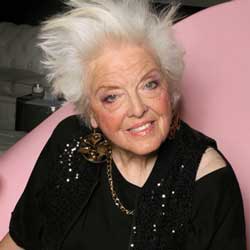
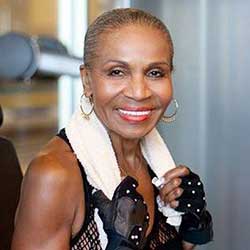
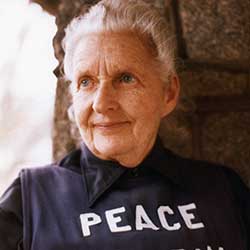
Ernestine Shepherd became a competitive bodybuilder in her 70s
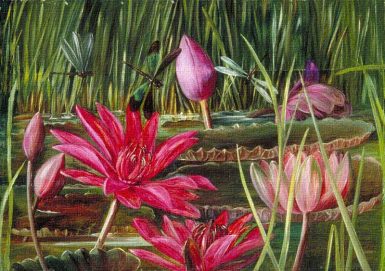
Celebrating More Than 140 Stories of Late-Blooming Success
Here’s a complete index of articles, biographies, and book reviews in the Later Bloomer archives. I hope it’ll help convince you that it’s truly never too late to create!
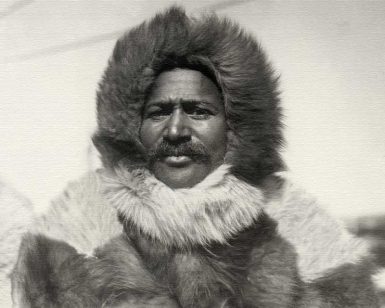
Matthew Henson: The Extraordinary Artic Explorer You’ve Never Heard Of
Matthew Henson was born to Black sharecroppers a year after the Civil War ended. At age 13, he became a cabin boy on a frigate to China. And at age 43, there’s a good chance he “discovered” the North Pole.
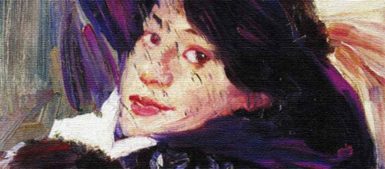
The Surprising Story Behind the Poem “When I Am An Old Woman I Shall Wear Purple”
The poem’s actually titled “Warning” and it celebrates aging with panache. English poet Jenny Joseph wrote in 1961 at 29. Did she fulfill her own prophecy?
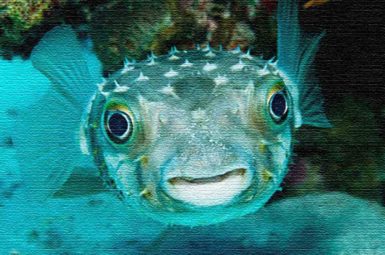
May Your 2023 Be Dangerously Weird
A famous quote by Bruce Sterling illuminates one trait that many Later Bloomers share: They’re driven, not just by passion, but by a quirky obsession.
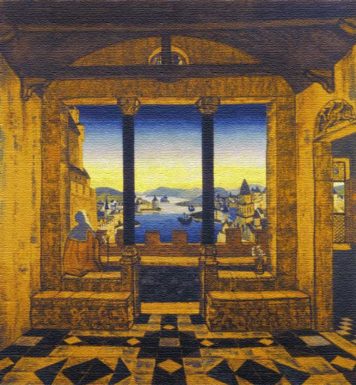
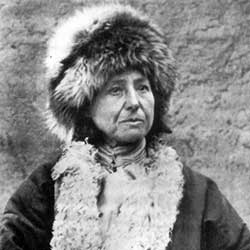
Alexandra David-Néel: Her Mystical Adventures in Tibet and Beyond
In 1924, at age 56, a genteel Frenchwoman disguised as a peasant hiked through the Himalayas to become the first Western woman into Tibet’s forbidden city, Lhasa.
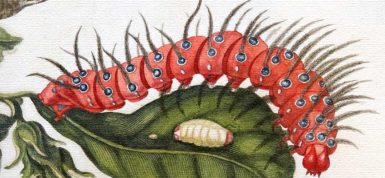
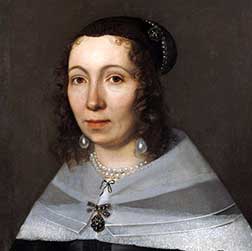
Maria Sibylla Merian: Her Daring Midlife Expedition Changed How We View the Insect World
Maria Sibylla Merian, age 52, voyaged to Suriname when women were still burnt as witches. Her incredible paintings of insect metamorphosis grace these web pages.